
Pickpockets in Amsterdam are a genuine concern for tourists, particularly at crowded hotspots like Dam Square, Central Station, the Rijksmuseum, and the Albert Cuyp Market. Amsterdam is safe to travel to overall, but knowing how to secure your belongings and recognise common theft tactics makes a significant difference. Keep valuables in front-facing, zipped pockets or a concealed money belt, stay alert in busy areas, and act on your instincts the moment a situation feels off.
What are the most common pickpocketing tactics used at Amsterdam tourist attractions?
Pickpockets in Amsterdam primarily use distraction techniques, crowded-area exploitation, and coordinated team operations to steal from unsuspecting tourists. They target victims who are taking photos, consulting offline maps, or waiting in queues at popular Amsterdam must-see places like the Anne Frank House, the Van Gogh Museum, and Dam Square.
The classic distraction method involves one person bumping into you or asking for directions while an accomplice steals your wallet or phone. Another widespread tactic occurs when someone drops coins or papers near you, then lifts your belongings while you help collect the items. Near Amsterdam museum entrances, busy tram stops, and crowded squares like Leidseplein, thieves routinely work in groups of three or four people to avoid detection.
Team-based operations are particularly sophisticated around major attractions. One person identifies targets carrying expensive cameras or phones, another creates the distraction, and a third performs the actual theft. The stolen items are immediately passed between team members, making it nearly impossible to identify who has your belongings. This relay method is especially common near the Rijksmuseum, Central Station, and along busy canal-side photo spots.
Amsterdam pickpockets also exploit crowded situations like tram boarding on lines 2 and 5 toward the Rijksmuseum and Van Gogh Museum, busy market areas such as the Albert Cuyp Market, and popular photo spots near the canal belt. They use the natural jostling and movement in these spaces to mask their activities. During peak tourist hours between June and August, they blend seamlessly with legitimate visitors, making detection extremely difficult.
Which Amsterdam tourist spots have the highest risk of pickpocket incidents?
Central Station, Dam Square, and the Red Light District are among the highest-risk areas for Amsterdam pickpockets. These locations combine large crowds, distracted tourists, and multiple entry and exit points that thieves use to their advantage. Understanding which spots carry the greatest risk is the first step toward keeping your belongings safe while exploring the city.
Central Station sees constant foot traffic from tourists arriving with luggage, checking phones for directions, and consulting maps. The surrounding area, including the tourist information centre, nearby tram stops on lines 2, 5, and 17, and the busy IJ ferry terminal, creates near-perfect conditions for theft. Early-morning arrivals and late-afternoon rush periods increase the risk significantly, so securing your bag before stepping off the train is essential.
 Major Amsterdam museum areas, particularly around the Anne Frank House, the Rijksmuseum, and the Van Gogh Museum, attract pickpockets who target visitors focused on taking photos or reading information boards. The queues outside these museums are prime hunting grounds: thieves use the waiting time to study potential targets, identify valuables, and coordinate their approach before striking at the moment of entry or exit.
Popular markets like the Albert Cuyp Market and Waterlooplein create ideal conditions for pickpocketing due to tight spaces, jostling crowds, and visitors handling cash frequently. The Albert Cuyp Market in particular draws large numbers of tourists and is a known hotspot for opportunistic theft. The Leidseplein and Rembrandtplein entertainment districts become especially risky during evening hours when tourists may be less alert after a long day of sightseeing.
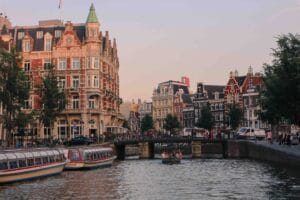
Canal-side areas near major bridges and scenic viewpoints also present risks, especially during golden hour when tourists are concentrated in specific spots taking photographs. Pickpockets operating in Amsterdam know exactly where crowds gather and time their activities accordingly, so staying aware of who is standing close to you at popular photo locations is just as important as securing your pockets.
How can you protect your belongings from pickpockets while exploring Amsterdam?
Effective protection against Amsterdam pickpockets involves strategic placement of valuables, appropriate clothing choices, and maintaining constant situational awareness. Keep your most important items in front-facing, zipped pockets or a concealed money belt rather than in a backpack or rear pockets, which are the easiest targets for experienced thieves.
Distribute your money, cards, and identification across multiple locations on your body. Carry only the cash you need for the day, ideally no more than 50 to 100 euros, and keep backup cards and identification secured in your hotel safe. Use bags that zip closed and wear them in front of your body when walking through crowded Amsterdam tourist spots, tram stops, and busy market areas.
Choose clothing with secure, zipped pockets for essential items like phones and wallets. Avoid displaying expensive jewellery, watches, or electronics unnecessarily. When taking photos at Amsterdam must-see places like Dam Square or along the canal belt, maintain awareness of people standing close to you and avoid becoming completely absorbed in your device.
Trust your instincts if someone approaches you unexpectedly or if a situation feels uncomfortable. Politely decline help from strangers offering unsolicited directions or assistance, and move towards busy, well-lit areas if you feel unsafe. Stay especially alert when boarding trams on popular tourist routes and avoid checking your phone or handling your wallet while standing in queues at Amsterdam attractions.
Consider carrying a dummy wallet with a small amount of cash and expired cards as a decoy if you are ever confronted, while keeping your real valuables secured in a hidden money belt or inside pocket. Before visiting any Amsterdam tourist attraction, research the layout and plan your route in advance using an offline map app so you avoid standing still on busy streets consulting your phone, which is one of the clearest signals to pickpockets that you are a tourist unfamiliar with the area.
What should you do immediately if you become a pickpocket victim in Amsterdam?
Contact the Dutch police immediately by calling 112 for emergencies or visiting the nearest police station to file a report for non-urgent theft. Cancel your bank cards and credit cards within minutes of discovering the theft to prevent unauthorised transactions. Filing an official police report is also essential if you need to make a travel insurance claim, so request a written confirmation of your report before leaving the station.
Report the incident to the local police even if you don’t expect to recover your belongings, as this creates an official record needed for insurance claims and replacement documents. Amsterdam police stations have English-speaking officers and are familiar with tourist-related crimes.
Contact your bank’s emergency hotline immediately to freeze your accounts and request replacement cards. Most major banks offer 24-hour international support for card cancellation, so keep your bank’s international number saved before arriving in Amsterdam. If your passport was stolen, contact your embassy or consulate right away to begin the emergency replacement process, as this can take several days and affect your return travel plans.
Document everything about the incident while the details are still fresh. Note the exact time, location, a description of the individuals involved, and a full list of everything stolen. If you are in Amsterdam and the theft occurred in a public area such as Central Station, Dam Square, or near a museum, take photos of the surroundings as these can support your police report and insurance claim.
For continued safe sightseeing after an incident, consider booking a canal cruise in Amsterdam, where you can relax and take in the city’s highlights without exposure to street crime. A guided boat tour lets you see Amsterdam’s iconic canals, the Jordaan district, and the museum quarter from a secure, controlled environment while you arrange replacement documents and cards.
If you need guidance on safe ways to continue exploring Amsterdam after experiencing theft, we are here to help. Many visitors find that our water-based tours offer a relaxed, secure environment to enjoy the city while handling the practicalities of replacing stolen items. Contact us to find out how we can help you make the most of your Amsterdam visit, even after an unexpected setback.
Before your trip, store digital copies of your passport, travel insurance policy, and bank card details in a secure cloud folder or email them to yourself for quick access anywhere. Leave physical copies at your hotel as a backup. These simple steps significantly reduce the stress of recovering from pickpocketing in Amsterdam and help you get back to enjoying the city faster.
Frequently Asked Questions
How can I tell the difference between a pickpocket and a genuine person asking for help?
Genuine helpers typically maintain normal personal space and don’t try to touch you or your belongings. Be suspicious if someone insists on getting very close, touches your arm or shoulder while talking, or if multiple people approach you simultaneously. Trust your instincts – if something feels off, politely decline and move away.
What's the best type of bag or wallet to use when visiting Amsterdam tourist attractions?
Choose bags with zippers that face your body and avoid easy-access outer pockets. Money belts worn under clothing are ideal for important documents. For daily use, consider a crossbody bag with RFID-blocking material to prevent electronic pickpocketing of contactless cards.
Are there specific times of day when pickpocketing is more common in Amsterdam?
Pickpocketing peaks during rush hours (7-9 AM and 5-7 PM) when public transport is crowded, and during late afternoon (3-6 PM) when tourist attractions are busiest. Evening hours in entertainment districts also see increased activity, especially on weekends when tourists may be less alert.
How much cash should I carry, and what's the safest way to access money in Amsterdam?
Carry only 50-100 euros in cash for daily expenses. Use ATMs inside banks or hotels rather than street-side machines, and always cover your PIN entry. Consider using contactless payments when possible, as this reduces the need to handle cash in public.
What should I do if I suspect someone is following me or targeting me for theft?
Change your route and enter a busy shop, restaurant, or public building. If the person continues following, approach a police officer or security guard. Don’t go back to your hotel if you think you’re being followed, as this reveals where you’re staying.
Can travel insurance help if I'm pickpocketed, and what documentation do I need?
Most travel insurance policies cover theft, but you’ll need a police report filed within 24-48 hours of the incident. Keep receipts for any emergency purchases and document all stolen items with their approximate values. Contact your insurance provider immediately to understand your coverage limits.
Are there any mobile apps or tools that can help prevent pickpocketing in Amsterdam?
Download offline maps to avoid constantly checking your phone for directions. Use apps that let you remotely wipe your phone if stolen, and enable find-my-device features before traveling. Some travelers use personal safety apps that can alert contacts if you’re in distress.